From the pristine coasts of Iceland, where the rhythm of life follows the pulse of the ocean, comes one of nature’s most extraordinary gifts: Icelandic eiderdown. A rare and precious material, celebrated for its exceptional softness, lightness, thermal performance, and natural water resistance. It is the result of a centuries-old relationship between humans and the wild, built on trust, respect, and quiet coexistence.
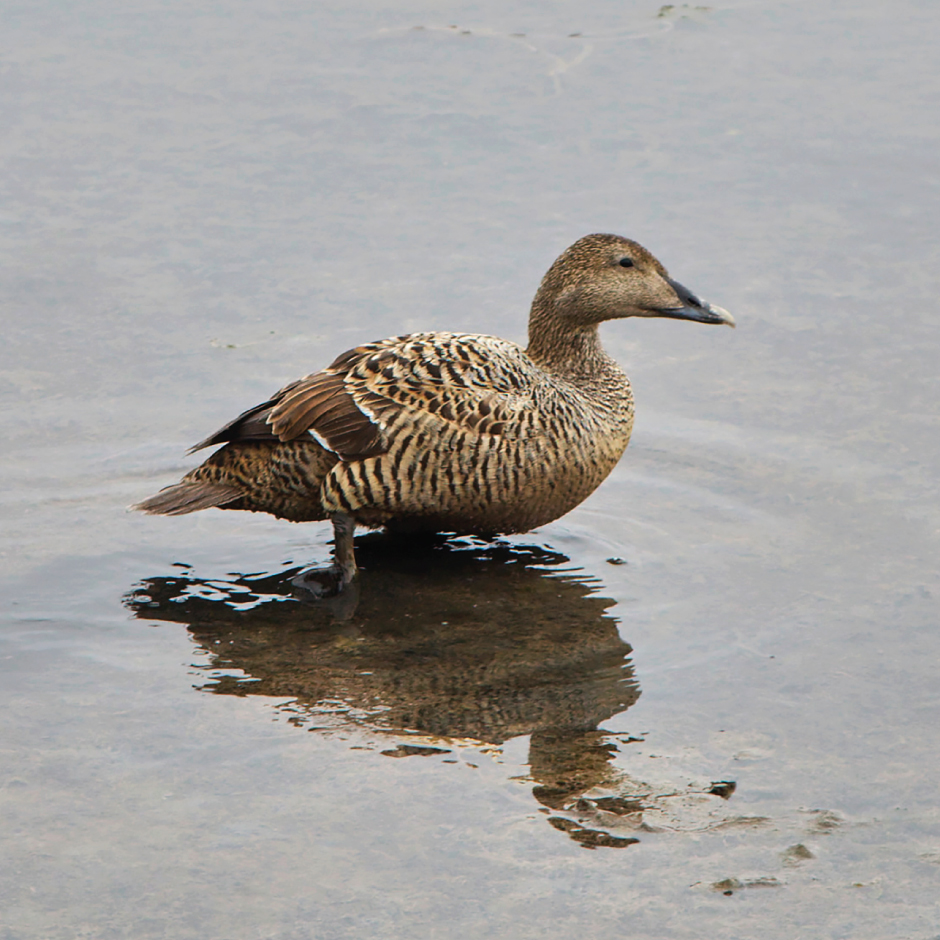
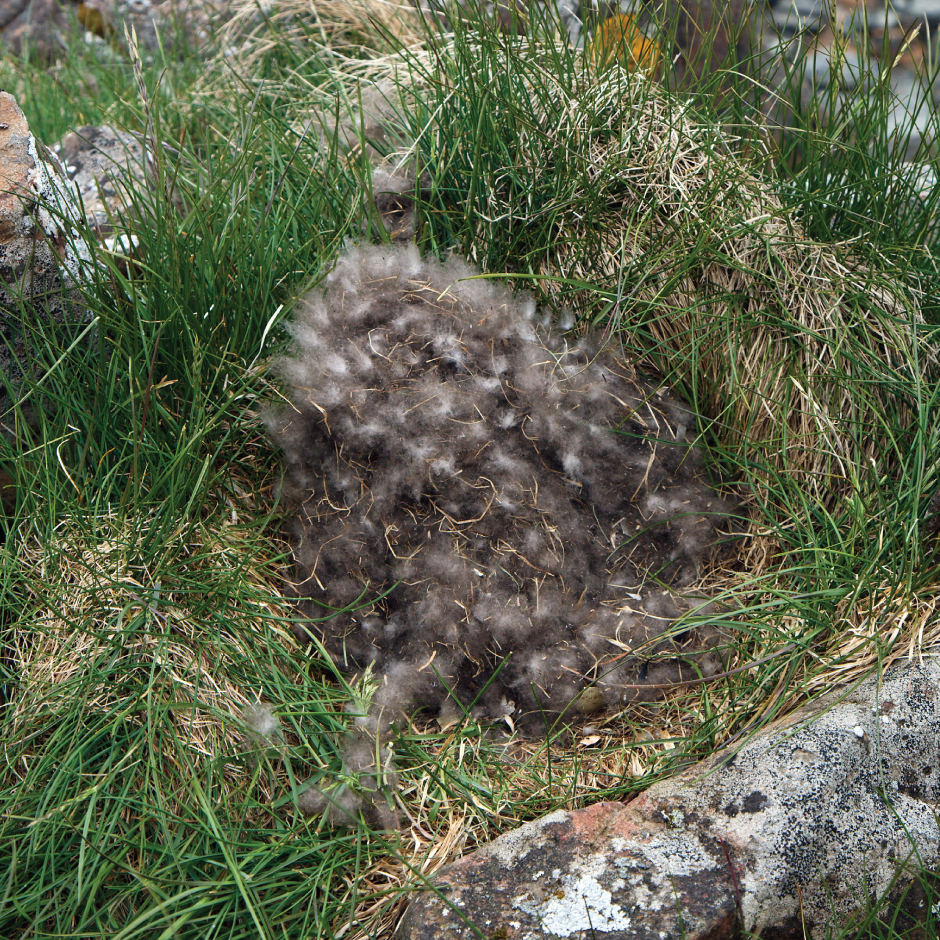
During the harsh Icelandic winter, eider ducks live far out at sea, floating on glacial waters and feeding to build up strength. The extreme climate of this remote and rugged land, shaped by icy winds and long nights, triggers a unique biological response in the female. Beneath her plumage, she develops an additional layer of down, a natural insulator that protects her from the cold and repels moisture. This layer is not plucked or forcibly removed. Instead, when spring arrives and she returns to nest, a hormonal change causes the down to detach naturally from her chest to ensure direct contact between her body and the eggs, transferring her own warmth to the next generation.
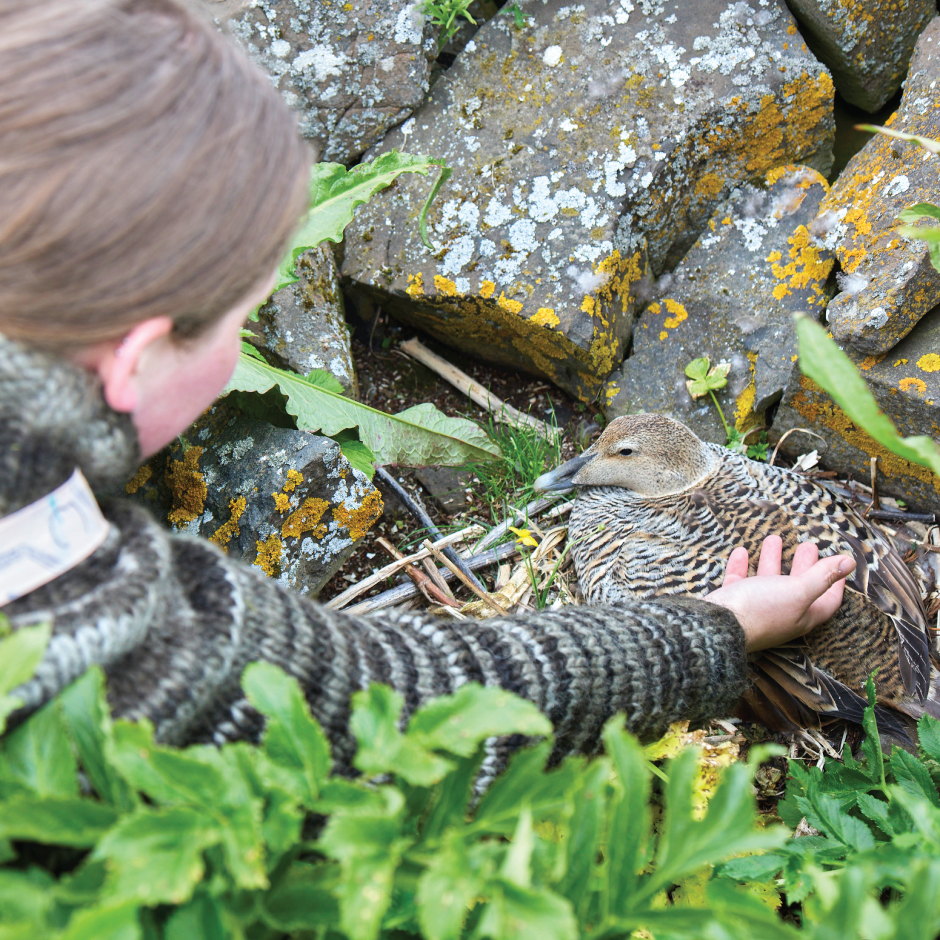
Eider farmers, known locally as guardians of the coast, prepare the nesting grounds with care, clearing paths and fencing off safe areas. During the nesting season, farmers protect the eiders from predators, often watching over the nests day and night. When the chicks hatch and leave for the sea, the down, no longer needed, is gently collected by hand. The birds remain calm, often present during the harvest, a testament to the deep bond between species. This process is entirely cruelty-free: no stress, no harm, no interference. Only harmony.
Eiderdown is a natural wonder. Its microscopic, interlocking filaments allow it to cluster effortlessly, creating a filling that is extraordinarily light, highly breathable, naturally water-repellent, and unmatched in insulation. Each kilogram of cleaned eiderdown comes from 60 to 80 nests, and only around 3,000 kilograms are harvested annually, making it one of the most exclusive materials in the world.
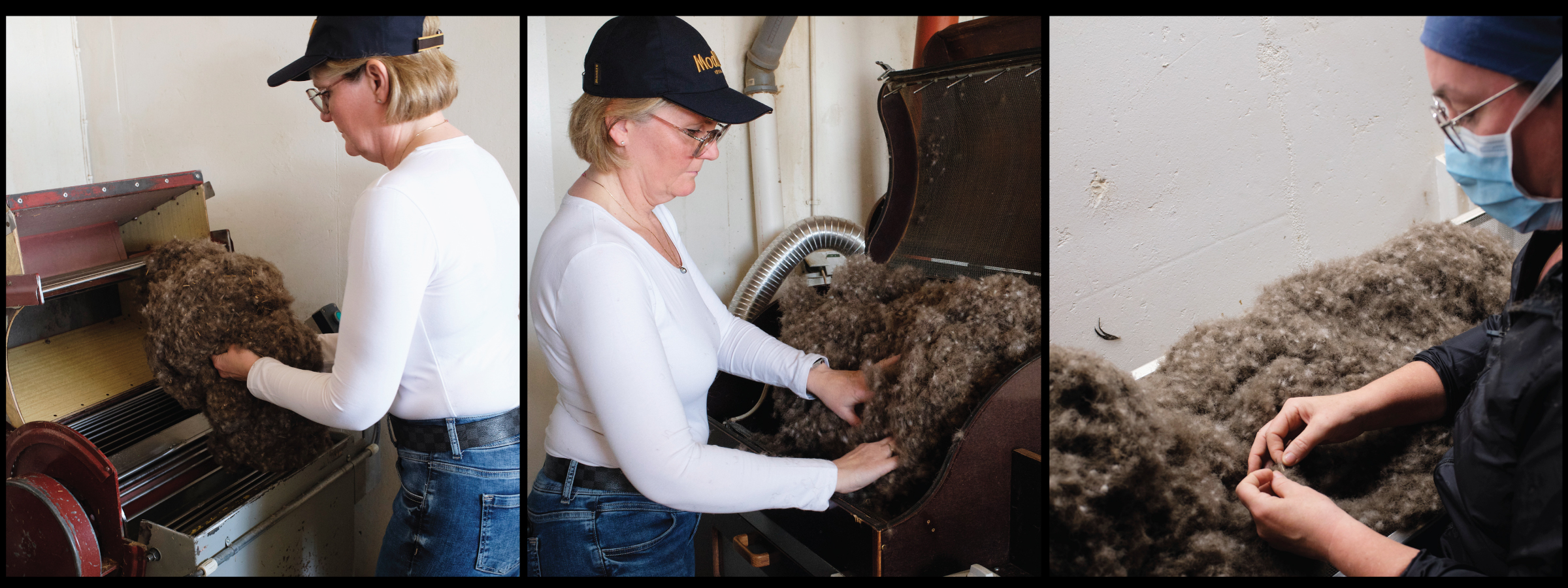
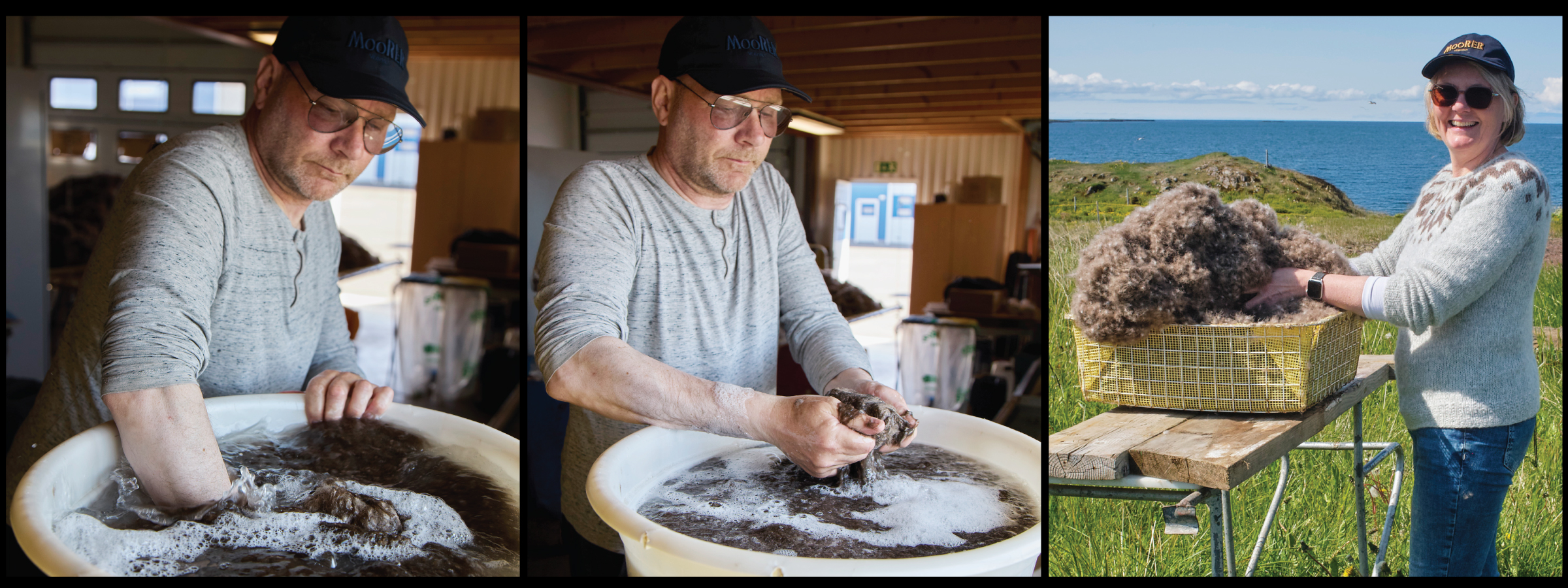
The cleaning of eiderdown is a ritual of precision. First dried and roughly cleaned by hand, it is then gently heated to 120°C. The process continues with the use of specialized Icelandic machines, designed in 1959 specifically for this purpose: the first removes twigs and eggshell fragments left after hatching, while the second delicately separates the feathers from the precious down. What follows is not just quality control, but a final and essential step performed entirely by hand. One by one, any remaining feathers trapped within the compact structure of the down are carefully removed, leaving only the purest eiderdown in its most natural and untouched form.
At this stage, the down is gently hand-washed and left to dry in the fresh Icelandic air. This slow, natural process restores its volume, softness and loft, enhancing its noble qualities without compromising purity. The result is a material that retains its original structure and resilience, ready to offer warmth and comfort in its most authentic form.
Eiderdown is not just a material; it is a symbol of Icelandic heritage. Protected since 1847, the eider has lived alongside Icelanders since the 9th century. Its presence is woven into the fabric of the nation’s history. It is a story of coexistence, sustainability, and reverence for nature.